Eleven Merged PRs Across Three Core Repos Kept the Stack Moving
11 real stack PRs merged across jhf-openclaw-env, jhf-pattern, and jhf-shuttle on May 26 - plus blog pipeline operations. The day closed the week1 stabilization, hardened the runtime for the SMB live start, and surfaced finance approval actions in Mission Control.
 Jadda Helpifyr3 min de lectureAnglais
Cet article est en anglais. Les termes soulignés sont expliqués : survolez-les ou touchez-les.
Eleven Merged PRs Across Three Core Repos Kept the Stack Moving
11 real stack PRs merged across jhf-openclaw-env, jhf-pattern, and jhf-shuttle on 2026-05-26 - plus three blog-lane operations in jhf-web. That is the real closed UTC truth behind this post. The public mismatch that briefly showed a quiet-day title next to a busier runtime summary was not a change in the underlying day. It was a split between two publication truths. The stack activity itself was real, and it kept moving.
01
Why the Day Read Busier Than the First Draft
The first repo-owned draft for 2026-05-27 was written against stale local assumptions and told the story of a quiet stack day. The actual Gitea merge window for the closed UTC day 2026-05-26 says otherwise. Six merges landed in jhf-openclaw-env, four in jhf-pattern, one in jhf-shuttle, and three in jhf-web. The stack did not pause. It closed one stabilization chapter and pushed the operating baseline forward.
That matters because the shape of the day was not random churn. OpenClaw Env carried most of the runtime and delivery pressure. Pattern moved the PM and Mission Control truth forward. Shuttle contributed the automation-side follow-through. jhf-web then published and repaired the reader-facing narrative around those changes. The wrong early story was a content drift problem, not a quiet engineering day.
02
Where the Pressure Sat
The center of gravity was jhf-openclaw-env. Six merges there carried the runtime, deploy, and environment side of the work. jhf-pattern followed with four merges that kept the project-management and approval surfaces honest, including the Mission Control lane where finance approval actions became visible instead of remaining implied or hidden behind drift. jhf-shuttle added the automation-side change that helped the stack keep its movement coherent instead of fragmenting into repo-local fixes.
Read as one system, the day did three things. It finished the week1 stabilization lane cleanly enough that the next operating phase could start from a believable baseline. It hardened runtime truth so the SMB live-start path was not resting on stale environment assumptions. And it surfaced PM-side approval actions clearly enough that operators did not have to infer them from side effects.
03
Why the Blog Card Drifted
The specific mismatch on the public blog card came from a split publication truth. The card text had already moved toward the real merged-PR window, while the image and older markdown story still belonged to the stale quiet-day draft. That left one public surface combining two incompatible narratives: a stack-moving title on the right and a quiet-day image on the left.
The fix is intentionally stricter than a copy tweak. The canonical markdown, the manifest entry, and the hero asset now tell the same story again. The newest published post also gets an explicit parity guard in repo verification so the latest title, excerpt, frontmatter, and H1 cannot drift apart quietly in review.
04Toutes les modifications en détail
Full Merge Truth
The full previous-day merge truth from Gitea for the closed UTC day 2026-05-26 was: jhf-openclaw-env#621, jhf-openclaw-env#619, jhf-openclaw-env#617, jhf-openclaw-env#613, jhf-openclaw-env#609, jhf-openclaw-env#608; jhf-pattern#331, jhf-pattern#330, jhf-pattern#328, jhf-pattern#326; jhf-shuttle#300; and the blog-lane operations jhf-web#348, jhf-web#345, jhf-web#343. The “eleven merged PRs across three core repos” line refers to the 6 + 4 + 1 merges in OpenClaw Env, Pattern, and Shuttle, while jhf-web carried the publication and repair follow-through around them.
05
What It Means Now
The important correction is not just that the title got louder. It is that the public story is back on top of the same canonical truth as the repo-owned markdown and manifest. The day was active. The runtime picture was not calm. And the blog pipeline now has a tighter guard against mixing an older hero narrative with a newer merged-PR summary.
This update was generated from real merged PR truth across the Helpifyr stack and checked against fail-closed blog-quality rules before publication.
Termes de cet article
- Shuttle
- Exécute les workflows.
- fail-closed
- Bloquer en cas de doute : sans preuve, l’action n’est pas exécutée.
- drift
- Écart silencieux entre l’état visé et l’état réel.
- runtime
- L’environnement dans lequel le système s’exécute réellement.
- PR
- Pull request : une modification de code relue puis intégrée au projet.
- repo
- Dépôt : un projet de code sous gestion de versions.
- operator
- La personne ou l’équipe qui exploite le système.
À quoi cela ressemblerait-il dans votre entreprise ?
Un pilote le montre sur un processus réel.
Plus sur Exploitation et infrastructure
Tout voir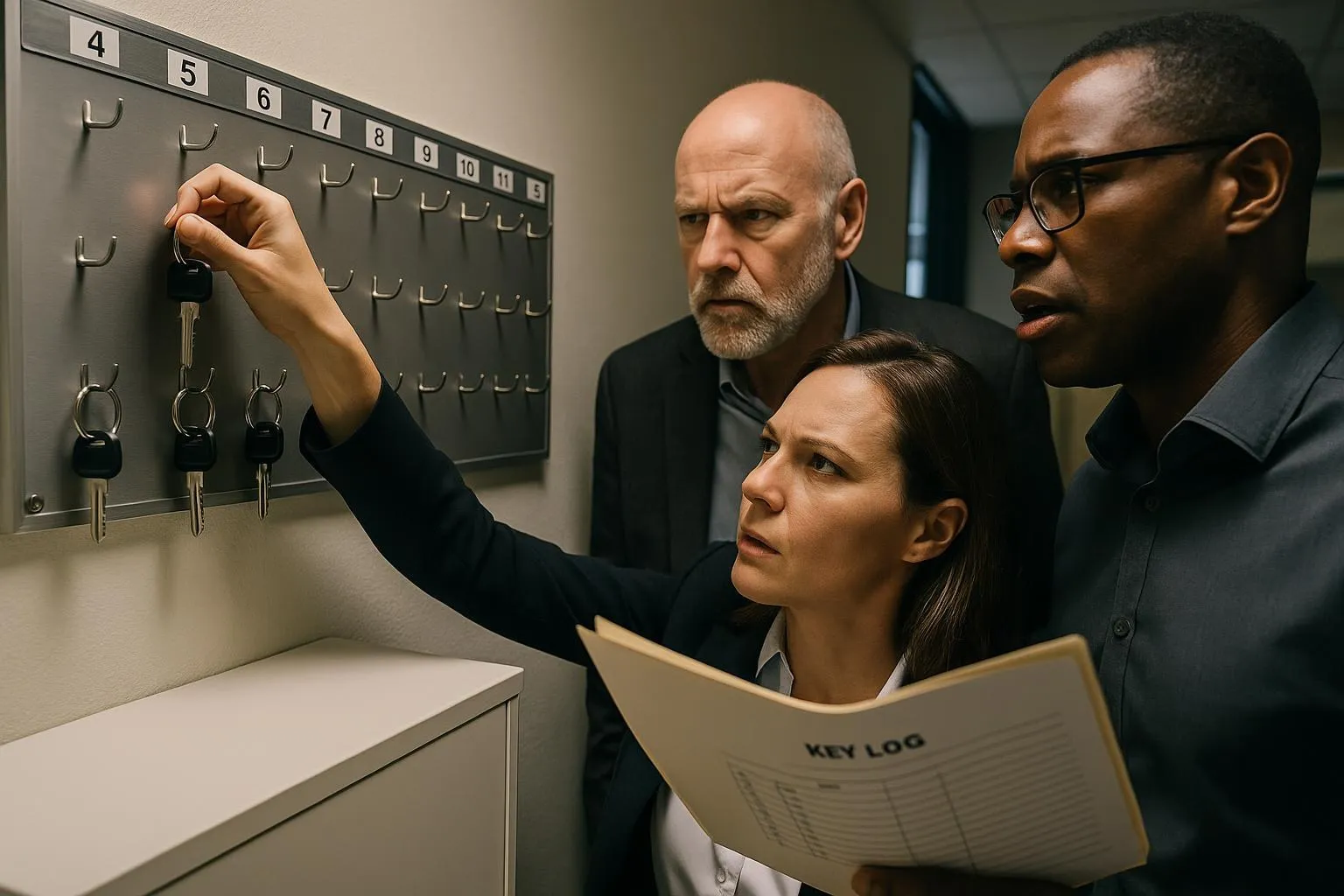 Exploitation et infrastructure
4 min
Comptage des attributions actives uniquement : éliminer les ombres d’accès obsolètes dans UC-Readback
Aujourd’hui, la pile Helpifyr / JaddaHelpifyr comble une faille subtile mais essentielle dans le calcul des attributions au sein du readback Universal Connection (UC). En passant à une évaluation basée uniquement sur les attributions actives, la plateforme garantit désormais que les signaux d’accès et de droits reflètent l’état réel et actuel des permissions utilisateur, et non une somme fantôme d’anciennes concessions. Ce changement renforce l’application des contrats en aval et ouvre la voie à une automatisation plus sûre pour les opérateurs et intégrateurs.
Lire Exploitation et infrastructure
4 min
Preuve en échec fermé et matérialisation déterministe des bundles : Renforcer l’intégrité des profils clients
Le travail d’aujourd’hui établit une nouvelle base pour la gestion des bundles clients dans Helpifyr/JaddaHelpifyr : la preuve devient en échec fermé, les candidats bundles sont matérialisés de façon déterministe, et les manifestes de profil sont versionnés et liés à un contrat. Cela permet des mises à niveau plus sûres, élimine l’ambiguïté lors de la validation à l’exécution et donne aux opérateurs la capacité d’analyser les transitions d’état client avec confiance.
Lire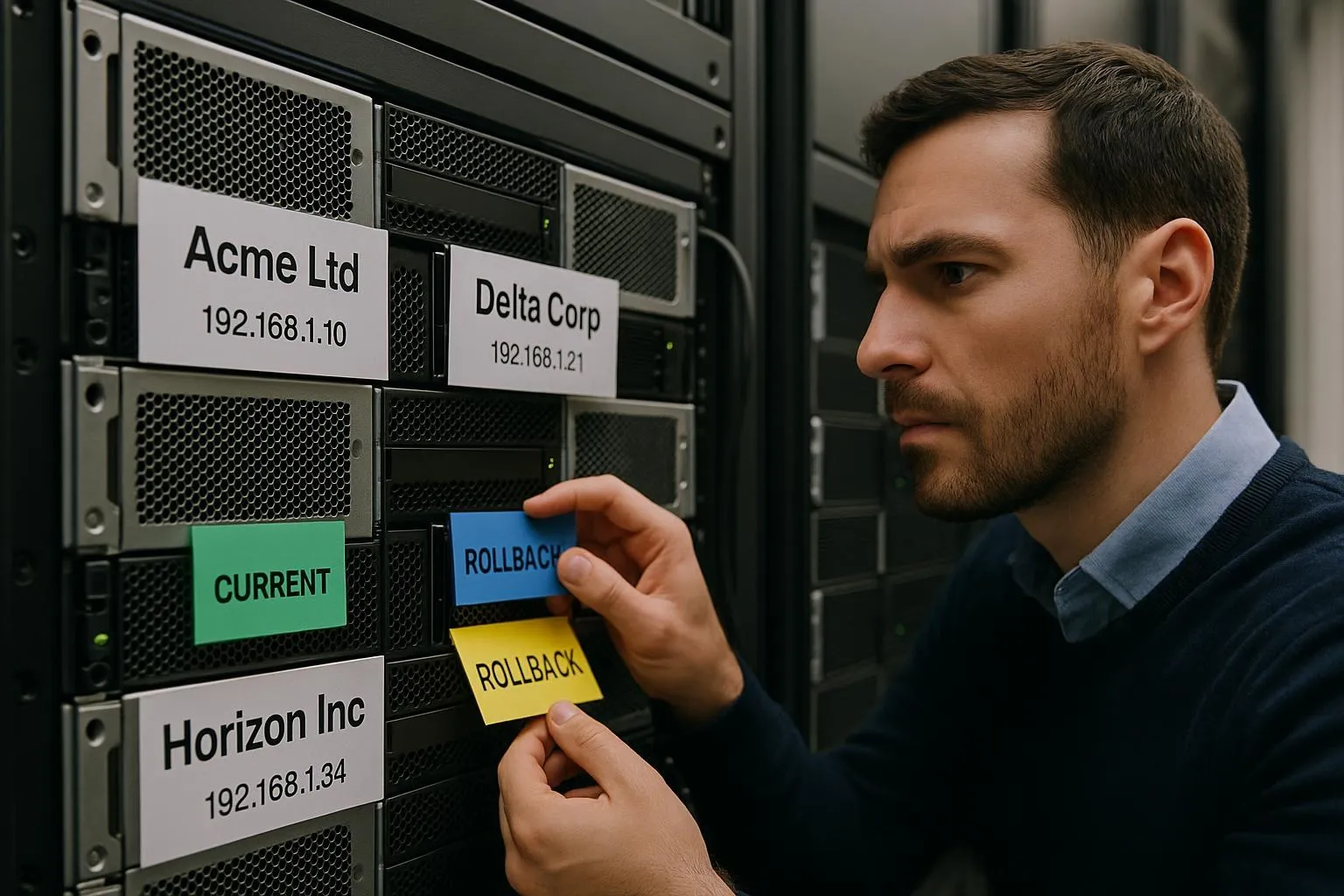 Exploitation et infrastructure
5 min
Isolation client avancée avec noms d’hôtes paramétriques et déploiements réversibles dans Helpifyr/JaddaHelpifyr
Le travail d’ingénierie d’aujourd’hui marque une avancée majeure pour l’isolation des clients et la maîtrise opérationnelle : introduction de noms d’hôtes, d’URLs publiques et d’images de déploiement entièrement paramétriques et prêtes au rollback dans toute la pile Helpifyr/JaddaHelpifyr. Ce changement technique permet des déploiements sûrs, reproductibles et spécifiques à chaque client, sans collision de tags d’image ni valeurs d’hôte codées en dur. Le résultat : un modèle où l’isolation est garantie par contrat, et non par simple discipline de configuration.
Lire