Eleven Merged PRs Across Three Core Repos Kept the Stack Moving
11 real stack PRs merged across jhf-openclaw-env, jhf-pattern, and jhf-shuttle on May 26 - plus blog pipeline operations. The day closed the week1 stabilization, hardened the runtime for the SMB live start, and surfaced finance approval actions in Mission Control.
 Jadda Helpifyr3 min read
Underlined terms are explained: just hover or tap.
Eleven Merged PRs Across Three Core Repos Kept the Stack Moving
11 real stack PRs merged across jhf-openclaw-env, jhf-pattern, and jhf-shuttle on 2026-05-26 - plus three blog-lane operations in jhf-web. That is the real closed UTC truth behind this post. The public mismatch that briefly showed a quiet-day title next to a busier runtime summary was not a change in the underlying day. It was a split between two publication truths. The stack activity itself was real, and it kept moving.
01
Why the Day Read Busier Than the First Draft
The first repo-owned draft for 2026-05-27 was written against stale local assumptions and told the story of a quiet stack day. The actual Gitea merge window for the closed UTC day 2026-05-26 says otherwise. Six merges landed in jhf-openclaw-env, four in jhf-pattern, one in jhf-shuttle, and three in jhf-web. The stack did not pause. It closed one stabilization chapter and pushed the operating baseline forward.
That matters because the shape of the day was not random churn. OpenClaw Env carried most of the runtime and delivery pressure. Pattern moved the PM and Mission Control truth forward. Shuttle contributed the automation-side follow-through. jhf-web then published and repaired the reader-facing narrative around those changes. The wrong early story was a content drift problem, not a quiet engineering day.
02
Where the Pressure Sat
The center of gravity was jhf-openclaw-env. Six merges there carried the runtime, deploy, and environment side of the work. jhf-pattern followed with four merges that kept the project-management and approval surfaces honest, including the Mission Control lane where finance approval actions became visible instead of remaining implied or hidden behind drift. jhf-shuttle added the automation-side change that helped the stack keep its movement coherent instead of fragmenting into repo-local fixes.
Read as one system, the day did three things. It finished the week1 stabilization lane cleanly enough that the next operating phase could start from a believable baseline. It hardened runtime truth so the SMB live-start path was not resting on stale environment assumptions. And it surfaced PM-side approval actions clearly enough that operators did not have to infer them from side effects.
03
Why the Blog Card Drifted
The specific mismatch on the public blog card came from a split publication truth. The card text had already moved toward the real merged-PR window, while the image and older markdown story still belonged to the stale quiet-day draft. That left one public surface combining two incompatible narratives: a stack-moving title on the right and a quiet-day image on the left.
The fix is intentionally stricter than a copy tweak. The canonical markdown, the manifest entry, and the hero asset now tell the same story again. The newest published post also gets an explicit parity guard in repo verification so the latest title, excerpt, frontmatter, and H1 cannot drift apart quietly in review.
04All changes in detail
Full Merge Truth
The full previous-day merge truth from Gitea for the closed UTC day 2026-05-26 was: jhf-openclaw-env#621, jhf-openclaw-env#619, jhf-openclaw-env#617, jhf-openclaw-env#613, jhf-openclaw-env#609, jhf-openclaw-env#608; jhf-pattern#331, jhf-pattern#330, jhf-pattern#328, jhf-pattern#326; jhf-shuttle#300; and the blog-lane operations jhf-web#348, jhf-web#345, jhf-web#343. The “eleven merged PRs across three core repos” line refers to the 6 + 4 + 1 merges in OpenClaw Env, Pattern, and Shuttle, while jhf-web carried the publication and repair follow-through around them.
05
What It Means Now
The important correction is not just that the title got louder. It is that the public story is back on top of the same canonical truth as the repo-owned markdown and manifest. The day was active. The runtime picture was not calm. And the blog pipeline now has a tighter guard against mixing an older hero narrative with a newer merged-PR summary.
This update was generated from real merged PR truth across the Helpifyr stack and checked against fail-closed blog-quality rules before publication.
Terms in this post
- Shuttle
- Runs workflows.
- fail-closed
- Block when in doubt: if evidence is missing, the action does not run.
- drift
- Target and actual state silently moving apart.
- runtime
- The environment in which the system actually runs.
- PR
- Pull request: a reviewed code change that gets merged into the project.
- repo
- Repository: a code project under version control.
- operator
- The person or team running the system.
What would this look like in your company?
A pilot shows it with a real process.
More on Operations and infrastructure
See all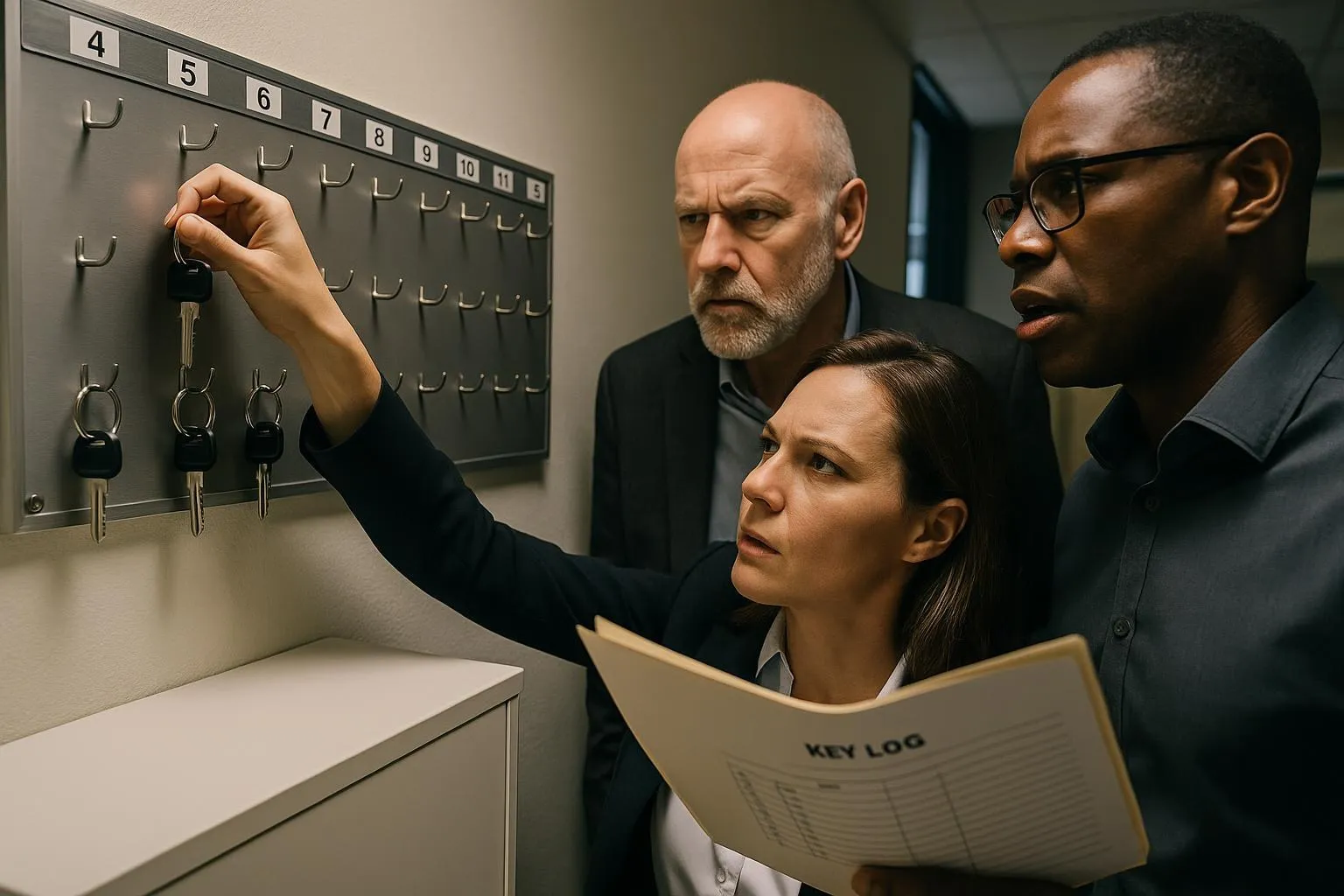 Operations and infrastructure
4 min
Active-Only Assignment Counting: Eliminating Stale Access Shadows in UC-Readback
Today, the Helpifyr / JaddaHelpifyr stack closes a subtle but critical gap in how assignment counts are computed in Universal Connection (UC) readbacks. By shifting to active-only assignment evaluation, the platform now guarantees that access and entitlement signals reflect the real, live state of user permissions, not a ghosted sum of historical grants. This change tightens downstream contract enforcement and unlocks safer automation for both operators and integrators.
Read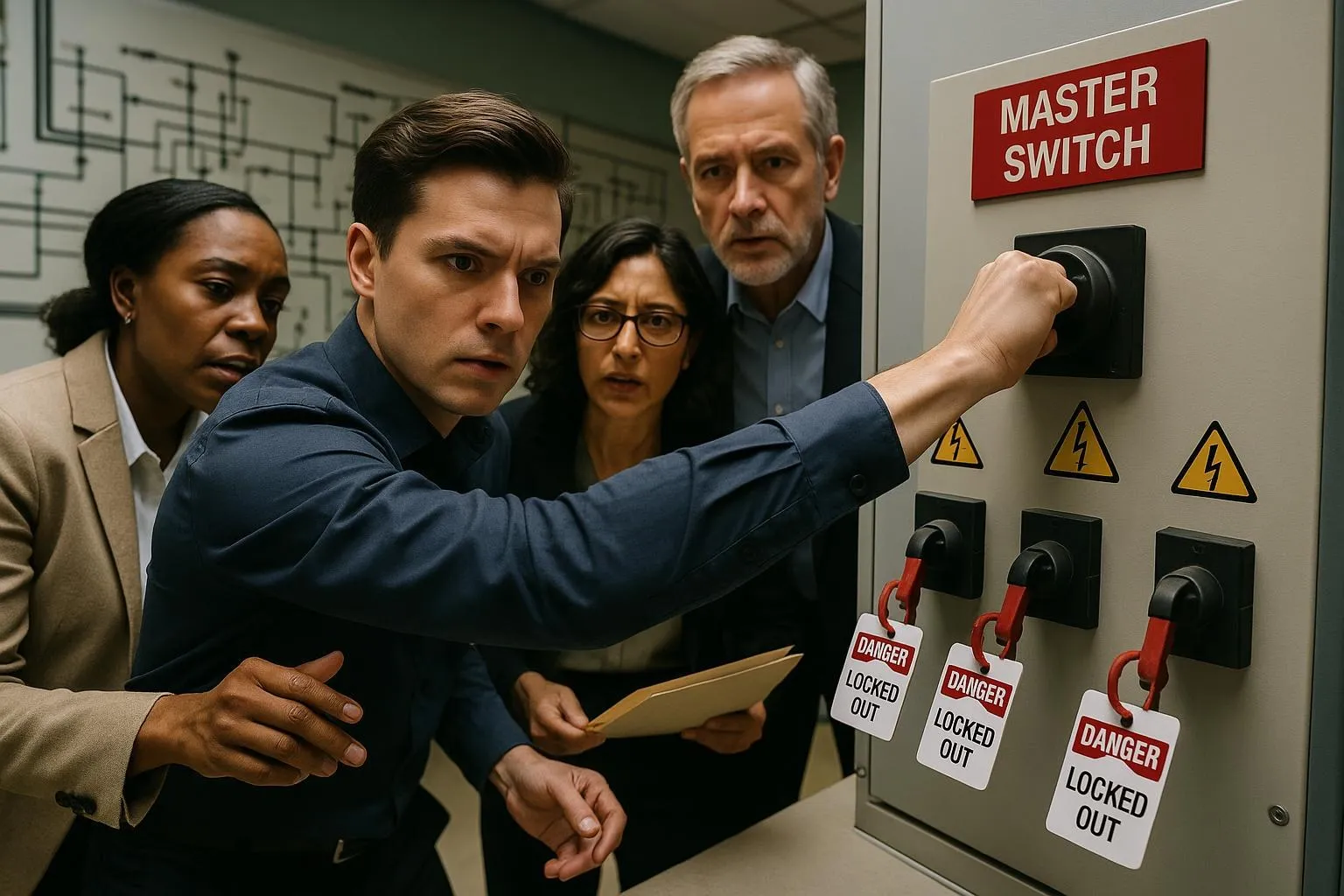 Operations and infrastructure
4 min
Converging Automation Authority: The Ops-Automation-n8n Realignment and Its Guarantees
Today marks the completion of a deep realignment in the Helpifyr/JaddaHelpifyr automation stack: the transition from the legacy n8n-expert identity to the unified ops-automation-n8n authority. This is not a simple rename, but the culmination of a multi-week migration that rewires provenance, ownership, and runtime contracts for all automation flows. The result is a single, auditable source of truth for automation provenance and deployment, eliminating legacy ambiguity and unlocking new guarantees for operators and integrators.
Read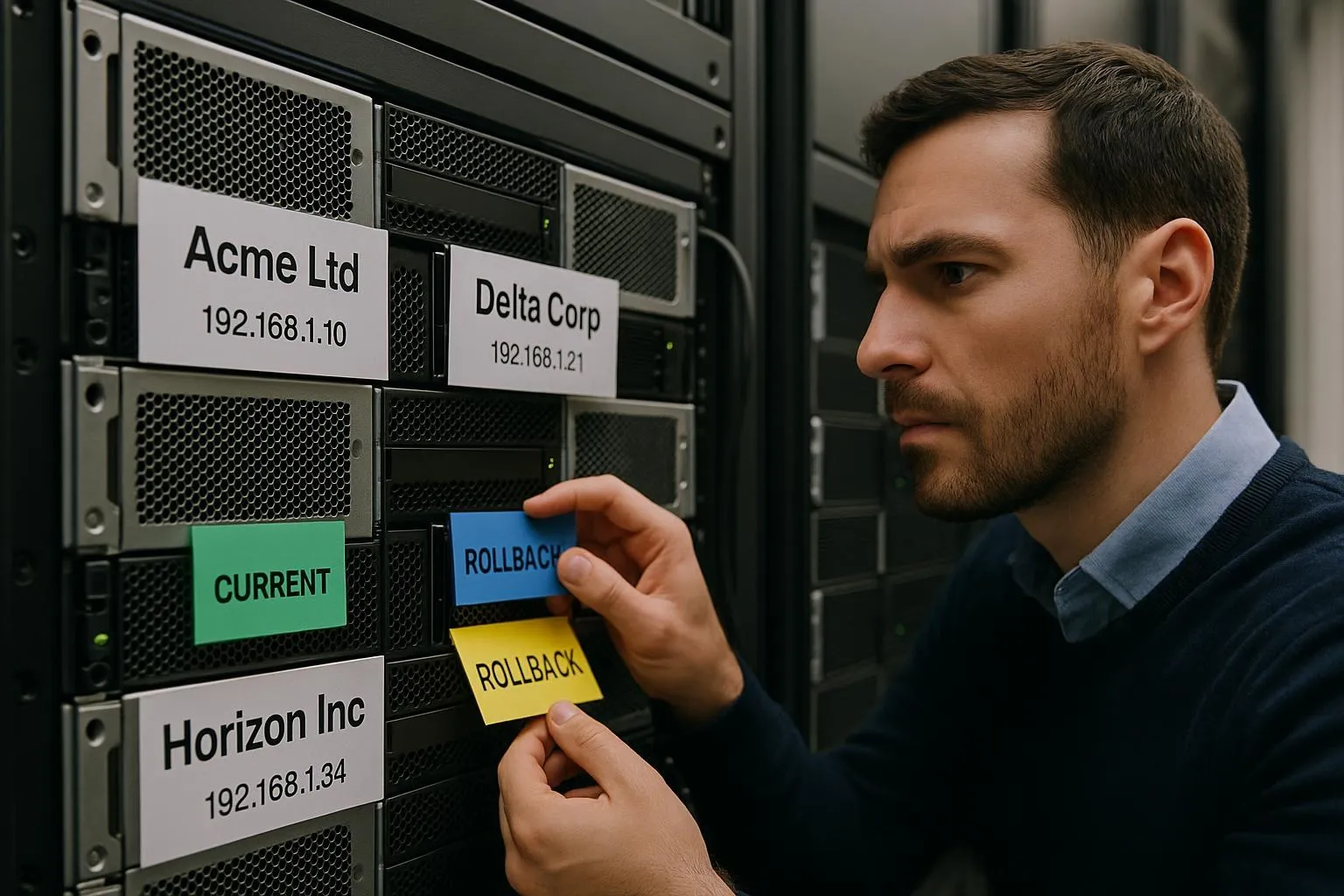 Operations and infrastructure
4 min
Parametric Hostnames and Rollback-Ready Deploys: Building Customer-Scoped Isolation in Helpifyr/JaddaHelpifyr
Today's engineering work delivers a step-function improvement for customer isolation and operational control by introducing fully parameterized hostnames, public URLs, and rollback-ready deployment images across the Helpifyr/JaddaHelpifyr stack. This technical shift unlocks safe, repeatable, and customer-specific deployments, allowing operators to deliver tailored environments without image tag collisions or hardcoded host values. The result is a deployment model where isolation is guaranteed by contract, not just configuration hygiene.
Read