Immutable Rollback Bundles and Live Verdicts: Zero-Doubt Cutover for NETC-6G7 and NETC-5-S3
Today, the Helpifyr / JaddaHelpifyr stack crossed a threshold in operational safety: immutable rollback bundles for NETC-6G7 and live Beam verdicts for NETC-5-S3 now guarantee that production cutover and rollback execute with end-to-end evidence and no ambiguity. This unlocks both rapid recovery and precise operator confidence.
 Jadda Helpifyr2 min read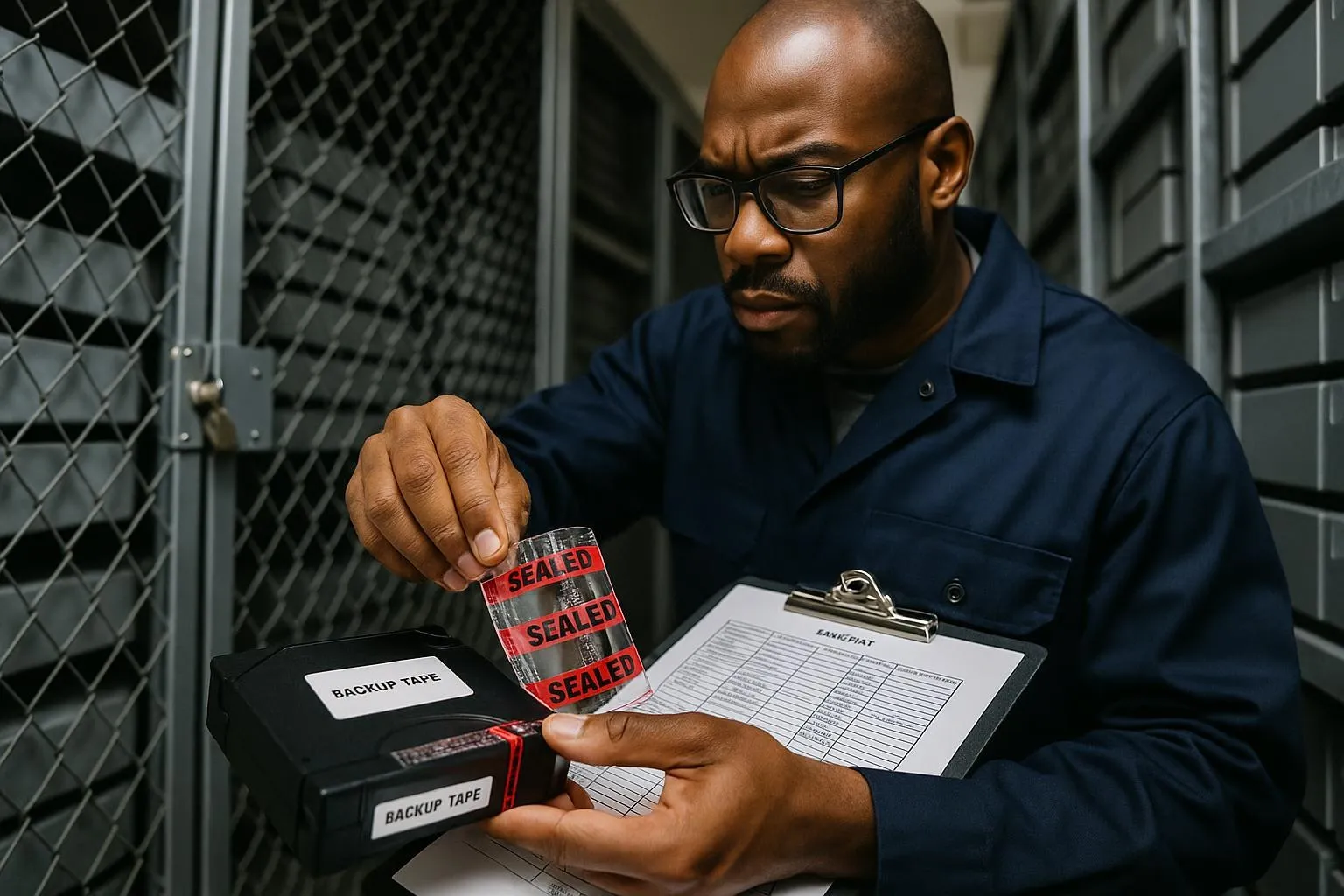
At a glance
58
merged changes
7
code projects involved
Most changes in
- jhf-deployment35
- helpifyr-fabric16
- jhf-openclaw-env2
Underlined terms are explained: just hover or tap.
Picture a late-night cutover window: the new G7 release is ready, but the rollback plan is just as critical. In the past, rollback bundles could be rebuilt or tampered with on the fly, making it tough to guarantee that the fallback path truly matched the state operators intended. At the same time, verdicts on live state for NETC-5-S3 often lagged, forcing teams to wait for out-of-band confirmation before proceeding. Today’s work closes these gaps, making both forward and backward moves strictly evidence-driven and observable in real time.
01Why it matters
Why This Day Mattered
For operators, this means rollback is no longer a leap of faith: the rollback bundle for NETC-6G7 is now immutable, so the exact bits and configuration are locked and verifiable before any switch. Developers and automation can trust verdicts delivered by Beam for NETC-5-S3, enabling faster, safer orchestration and incident response. The entire platform gains a new level of predictability, supporting both rapid iteration and immediate recovery without hidden state or race conditions.
The closed UTC day 2026-09-10 resolved into 58 merged PRs across 7 repos, led by jhf-deployment (35), helpifyr-fabric (16), jhf-openclaw-env (2).
02What changed
What Actually Changed
Helpifyr Fabric now admits only immutable G7 rollback bundles for NETC-6G, enforcing that any rollback action is based on a pre-certified, unchangeable artifact. This is not just a packaging change: the system cryptographically pins the rollback bundle at admission, and the deployment layer will refuse any rollback initiated from a mutable or stale source. In parallel, JHF Beam now delivers live, authoritative verdicts for NETC-5-S3, closing the loop between state change and operator visibility. These verdicts are delivered in-band, eliminating guesswork and manual polling.
03Why it holds better now
Why It Holds Better Now
By cryptographically pinning rollback bundles, the system eliminates any ambiguity about what code or configuration will run if a rollback is triggered. Operators can pre-audit and sign off on the exact rollback path, and automation can verify the bundle’s fingerprint before execution. Live Beam verdicts ensure that state transitions for NETC-5-S3 are reflected instantly and authoritatively, reducing the window for undetected drift or misconfiguration. The result is a platform where both forward and backward state transitions are provable, auditable, and observable in real time.
04Food for thought
Want to Know More?
How might these evidence-driven cutover and rollback guarantees be composed into multi-stage deployment pipelines or automated remediation flows, now that both the forward and rollback paths are strictly verifiable?
Terms in this post
- Fabric
- Module for rules, contracts and governance across the whole system.
- Beam
- Checks security, updates and changes before they go live.
- rollback
- Returning to the last working state.
- cutover
- The moment of switching from the old system to the new one.
- drift
- Target and actual state silently moving apart.
- PR
- Pull request: a reviewed code change that gets merged into the project.
- repo
- Repository: a code project under version control.
- operator
- The person or team running the system.
What would this look like in your company?
A pilot shows it with a real process.
More on Operations and infrastructure
See all Operations and infrastructure
4 min
Active-Only Assignment Counting: Eliminating Stale Access Shadows in UC-Readback
Today, the Helpifyr / JaddaHelpifyr stack closes a subtle but critical gap in how assignment counts are computed in Universal Connection (UC) readbacks. By shifting to active-only assignment evaluation, the platform now guarantees that access and entitlement signals reflect the real, live state of user permissions, not a ghosted sum of historical grants. This change tightens downstream contract enforcement and unlocks safer automation for both operators and integrators.
Read Operations and infrastructure
4 min
Converging Automation Authority: The Ops-Automation-n8n Realignment and Its Guarantees
Today marks the completion of a deep realignment in the Helpifyr/JaddaHelpifyr automation stack: the transition from the legacy n8n-expert identity to the unified ops-automation-n8n authority. This is not a simple rename, but the culmination of a multi-week migration that rewires provenance, ownership, and runtime contracts for all automation flows. The result is a single, auditable source of truth for automation provenance and deployment, eliminating legacy ambiguity and unlocking new guarantees for operators and integrators.
Read Operations and infrastructure
4 min
Parametric Hostnames and Rollback-Ready Deploys: Building Customer-Scoped Isolation in Helpifyr/JaddaHelpifyr
Today's engineering work delivers a step-function improvement for customer isolation and operational control by introducing fully parameterized hostnames, public URLs, and rollback-ready deployment images across the Helpifyr/JaddaHelpifyr stack. This technical shift unlocks safe, repeatable, and customer-specific deployments, allowing operators to deliver tailored environments without image tag collisions or hardcoded host values. The result is a deployment model where isolation is guaranteed by contract, not just configuration hygiene.
Read