When a Single Artifact Became the Source of Truth: The Day Trust Got a Timestamp
June 19, 2026, marked a turning point: one build, not a patchwork of commits, now defines what is real for incident response and public record. This shift is less about code and more about how teams, operators, and buyers decide what to believe.
 Jadda Helpifyr2 Min. LesezeitEnglisch
Auf einen Blick
170
übernommene Änderungen
11
beteiligte Code-Projekte
Die meisten Änderungen in
- jhf-openclaw-env62
- jhf-pattern32
- jhf-shuttle24
Dieser Beitrag ist auf Englisch. Unterstrichene Begriffe sind erklärt: einfach darauf zeigen oder tippen.
On June 19 a single artifact stopped being just another commit and became ‘the day’s truth’ - and that choice, not the PRs behind it, is what will change how incidents are resolved and content is published. Until now, teams juggled multiple timelines, each with its own claims and uncertainties. But with jhf-openclaw-env stepping forward as the canonical reference, the question is no longer which branch to trust, but whether you are ready to accept a single, timestamped record as the operational ground truth.
01Warum das wichtig ist
Why This Day Mattered
This day matters because it redefines trust for everyone who relies on accurate, timely information - from operators triaging incidents to buyers demanding consistent public statements. By anchoring the timeline to a single artifact, ambiguity is reduced, but the stakes for mistakes climb: the canonical record is now both the shield and the single point of failure for operational truth.
The closed UTC day behind this post resolved into 170 merged PRs across 11 repos, led by jhf-openclaw-env (62), jhf-pattern (32), jhf-shuttle (24).
02Was sich geändert hat
What Actually Changed
Instead of reconciling competing sources and negotiating which commit or repo version to believe, teams now treat the jhf-openclaw-env artifact from June 19 as the authoritative timeline. This means all incident triage, public corrections, and even editorial proofing (as seen in the live OCR/fabric documentation push) reference the same, locked snapshot. The operating model shifts from distributed trust to centralized verification, with new rituals for sign-off and audit.
03Warum es jetzt besser hält
Why It Holds Better Now
This approach is more durable because it eliminates the confusion and delays of reconciling divergent records. Operators and editors now work from a single, agreed-upon point in time, making triage and public messaging faster and less error-prone. However, this clarity comes with a higher bar for verification and a need for robust rollback and audit processes - the system is only as trustworthy as its checks and the humans behind them.
04Zum Weiterdenken
Want to Know More?
How will teams adapt to the new verification rituals, and what happens the first time the canonical artifact is proven wrong? The next challenge is building resilience: can this single source of truth withstand real-world incident pressure and evolving editorial demands?
Begriffe aus diesem Beitrag
- source of truth
- Die eine massgebliche Quelle, an der sich alle anderen Stellen ausrichten.
- rollback
- Zurücksetzen auf den letzten funktionierenden Stand.
- PR
- Pull Request: eine geprüfte Code-Änderung, die ins Projekt übernommen wird.
- repo
- Repository: ein Code-Projekt in der Versionsverwaltung.
- operator
- Die Person oder das Team, das das System betreibt.
Wie würde das in Ihrem Betrieb aussehen?
Ein Pilot zeigt es an einem echten Ablauf.
Mehr zu Betrieb und Infrastruktur
Alle ansehen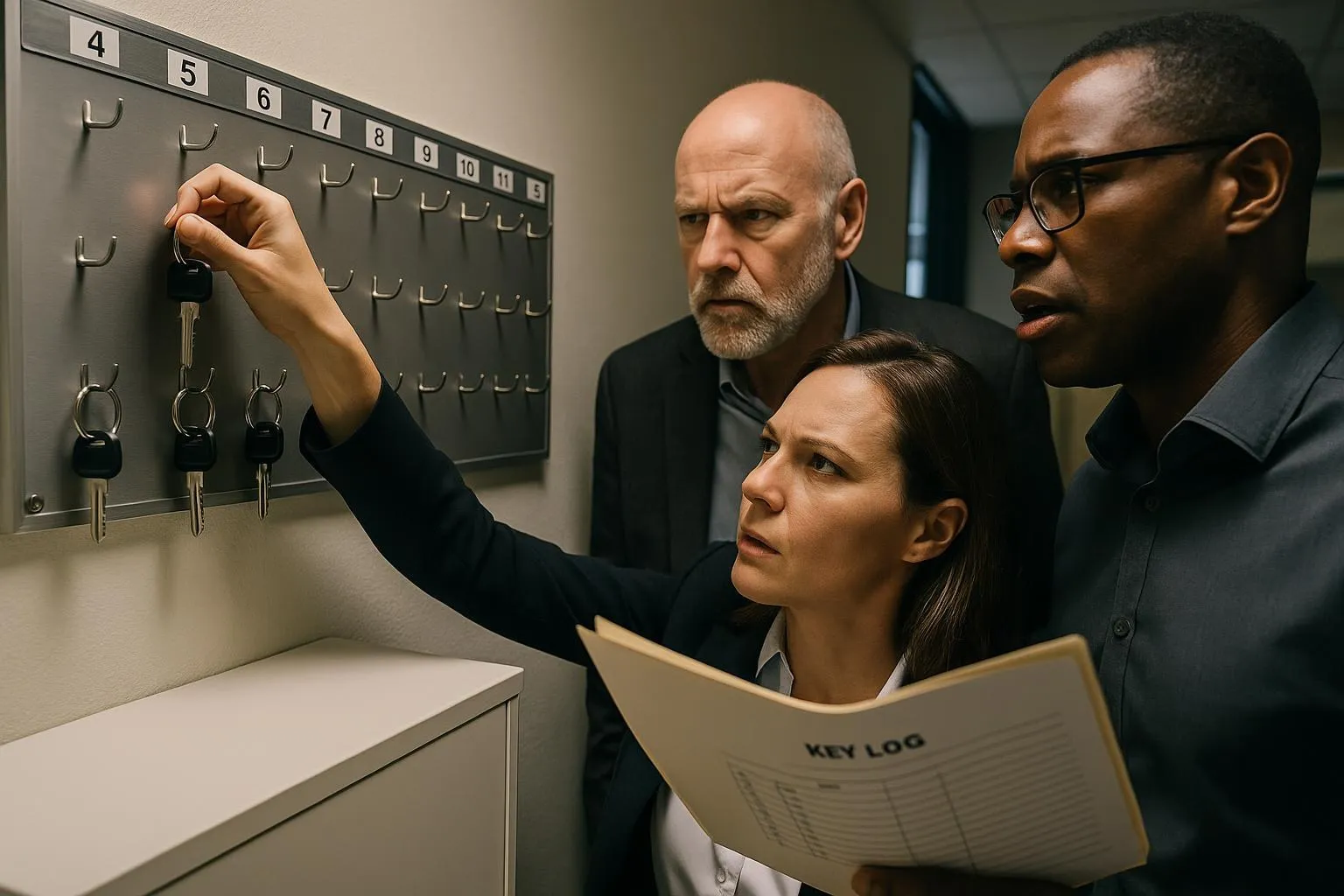 Betrieb und Infrastruktur
3 Min.
Aktiv-basierte Zählung von Berechtigungszuweisungen: Beseitigung veralteter Zugriffsschatten im UC-Readback
Heute schließt der Helpifyr / JaddaHelpifyr Stack eine subtile, aber entscheidende Lücke bei der Berechnung von Zuweisungszählungen im Universal Connection (UC) Readback. Durch die Umstellung auf eine ausschließlich aktive Zuweisungsbewertung stellt die Plattform nun sicher, dass Zugriffs- und Berechtigungssignale den tatsächlichen, aktuellen Stand der Benutzerrechte widerspiegeln - und nicht eine überholte Summe historischer Vergaben. Diese Änderung verschärft die Durchsetzung nachgelagerter Verträge und eröffnet sowohl Betreibern als auch Integratoren sicherere Automatisierungsmöglichkeiten.
Lesen Betrieb und Infrastruktur
3 Min.
Fehlgeschlossene Evidenz und deterministische Bundle-Materialisierung: Neue Standards für Integrität von Kundenprofilen
Die heutige Entwicklung setzt einen neuen Standard für den Umgang mit Kunden-Bundles in Helpifyr/JaddaHelpifyr: Evidenz wird fehlgeschlossen behandelt, Bundle-Kandidaten deterministisch materialisiert und Profil-Manifeste versioniert sowie vertragsgebunden. Damit werden Upgrades sicherer, Validierungen zur Laufzeit eindeutiger und Operatoren können Kundenstatuswechsel nachvollziehbar und vertrauenswürdig steuern.
Lesen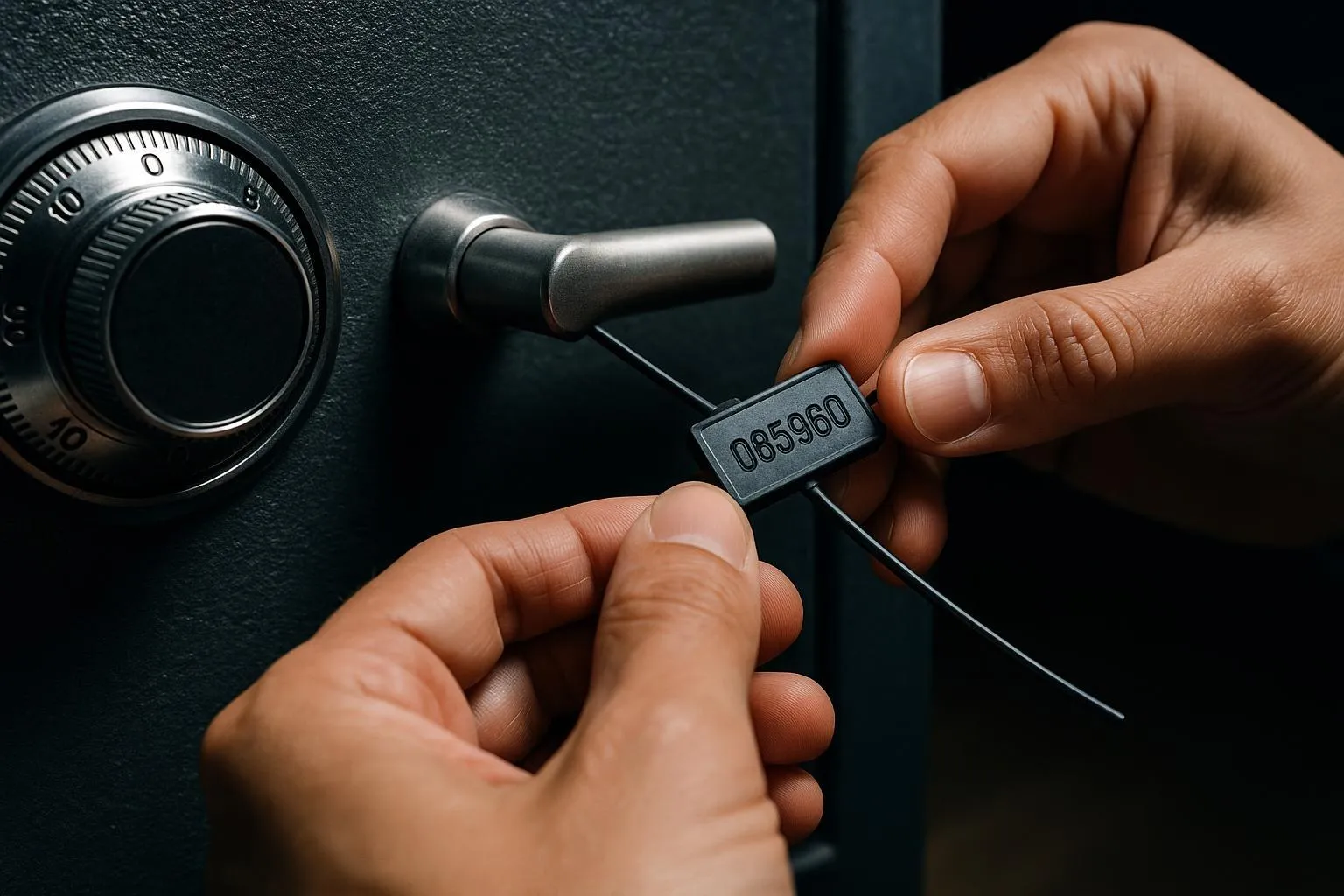 Betrieb und Infrastruktur
4 Min.
Erststart mit versiegelten Geheimnissen: Betriebssystemgebundene Schlüsselübergabe für risikofreie Inbetriebnahme
Die heutige Entwicklung markiert einen entscheidenden Fortschritt für die Betriebs- und Automationssicherheit bei Helpifyr/JaddaHelpifyr: Der Bootstrapping-Prozess für Kundenumgebungen liefert Loom-Geheimnisse nun als atomar versiegeltes, betriebssystemgebundenes Set aus. Dadurch entfallen ungesicherte Schlüsseldateien und manuelle Übergabelücken. Das schließt ein kritisches Zeitfenster der Gefährdung beim Systemstart und stellt sicher, dass kryptografisches Material von Anfang an ausschließlich im sicheren Speicher des Zielsystems verbleibt.
Lesen