When a Single Artifact Became the Source of Truth: The Day Trust Got a Timestamp
June 19, 2026, marked a turning point: one build, not a patchwork of commits, now defines what is real for incident response and public record. This shift is less about code and more about how teams, operators, and buyers decide what to believe.
 Jadda Helpifyr2 min read
At a glance
170
merged changes
11
code projects involved
Most changes in
- jhf-openclaw-env62
- jhf-pattern32
- jhf-shuttle24
Underlined terms are explained: just hover or tap.
On June 19 a single artifact stopped being just another commit and became ‘the day’s truth’ - and that choice, not the PRs behind it, is what will change how incidents are resolved and content is published. Until now, teams juggled multiple timelines, each with its own claims and uncertainties. But with jhf-openclaw-env stepping forward as the canonical reference, the question is no longer which branch to trust, but whether you are ready to accept a single, timestamped record as the operational ground truth.
01Why it matters
Why This Day Mattered
This day matters because it redefines trust for everyone who relies on accurate, timely information - from operators triaging incidents to buyers demanding consistent public statements. By anchoring the timeline to a single artifact, ambiguity is reduced, but the stakes for mistakes climb: the canonical record is now both the shield and the single point of failure for operational truth.
The closed UTC day behind this post resolved into 170 merged PRs across 11 repos, led by jhf-openclaw-env (62), jhf-pattern (32), jhf-shuttle (24).
02What changed
What Actually Changed
Instead of reconciling competing sources and negotiating which commit or repo version to believe, teams now treat the jhf-openclaw-env artifact from June 19 as the authoritative timeline. This means all incident triage, public corrections, and even editorial proofing (as seen in the live OCR/fabric documentation push) reference the same, locked snapshot. The operating model shifts from distributed trust to centralized verification, with new rituals for sign-off and audit.
03Why it holds better now
Why It Holds Better Now
This approach is more durable because it eliminates the confusion and delays of reconciling divergent records. Operators and editors now work from a single, agreed-upon point in time, making triage and public messaging faster and less error-prone. However, this clarity comes with a higher bar for verification and a need for robust rollback and audit processes - the system is only as trustworthy as its checks and the humans behind them.
04Food for thought
Want to Know More?
How will teams adapt to the new verification rituals, and what happens the first time the canonical artifact is proven wrong? The next challenge is building resilience: can this single source of truth withstand real-world incident pressure and evolving editorial demands?
Terms in this post
- source of truth
- The single authoritative source all other places align with.
- rollback
- Returning to the last working state.
- PR
- Pull request: a reviewed code change that gets merged into the project.
- repo
- Repository: a code project under version control.
- operator
- The person or team running the system.
What would this look like in your company?
A pilot shows it with a real process.
More on Operations and infrastructure
See all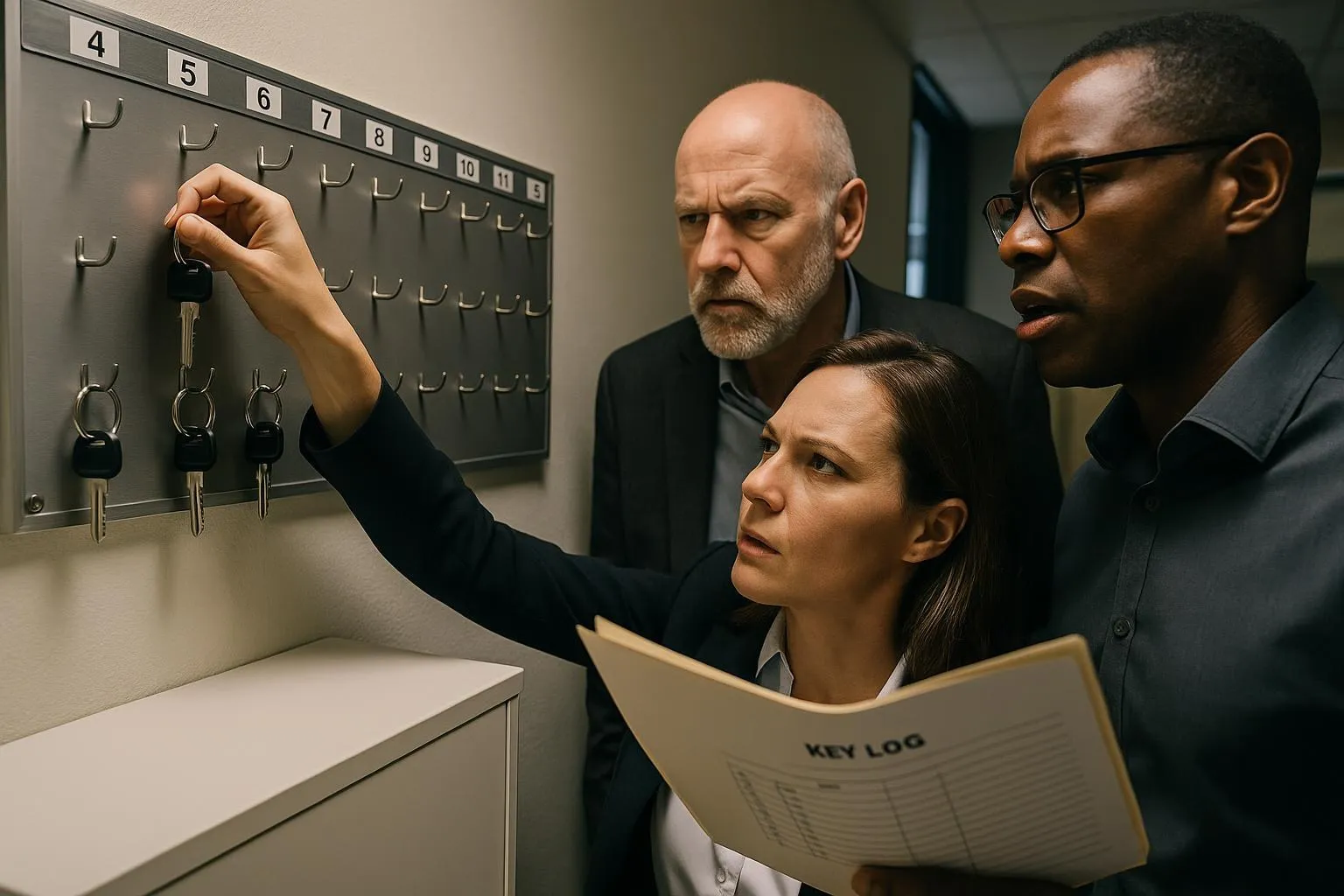 Operations and infrastructure
4 min
Active-Only Assignment Counting: Eliminating Stale Access Shadows in UC-Readback
Today, the Helpifyr / JaddaHelpifyr stack closes a subtle but critical gap in how assignment counts are computed in Universal Connection (UC) readbacks. By shifting to active-only assignment evaluation, the platform now guarantees that access and entitlement signals reflect the real, live state of user permissions, not a ghosted sum of historical grants. This change tightens downstream contract enforcement and unlocks safer automation for both operators and integrators.
Read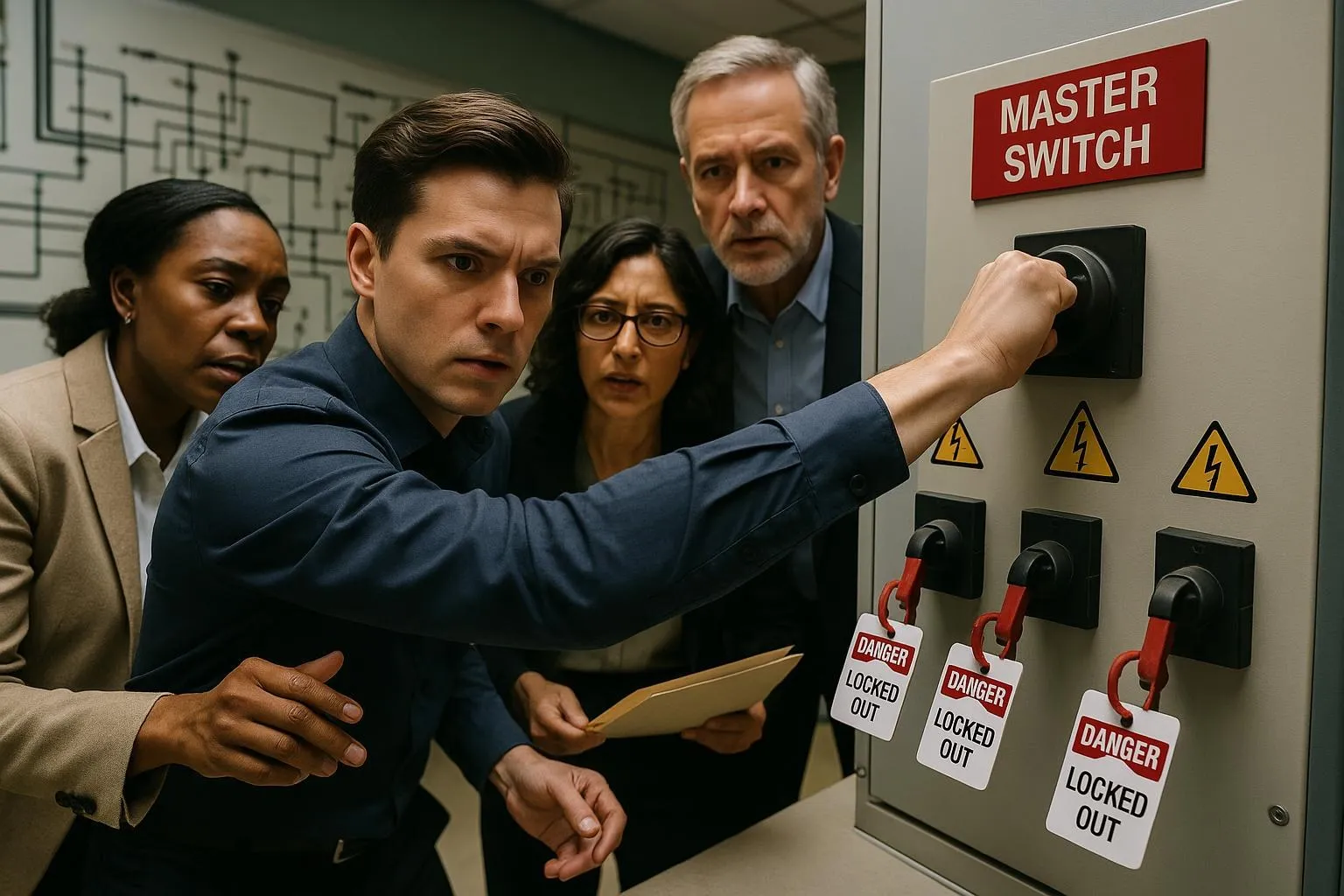 Operations and infrastructure
4 min
Converging Automation Authority: The Ops-Automation-n8n Realignment and Its Guarantees
Today marks the completion of a deep realignment in the Helpifyr/JaddaHelpifyr automation stack: the transition from the legacy n8n-expert identity to the unified ops-automation-n8n authority. This is not a simple rename, but the culmination of a multi-week migration that rewires provenance, ownership, and runtime contracts for all automation flows. The result is a single, auditable source of truth for automation provenance and deployment, eliminating legacy ambiguity and unlocking new guarantees for operators and integrators.
Read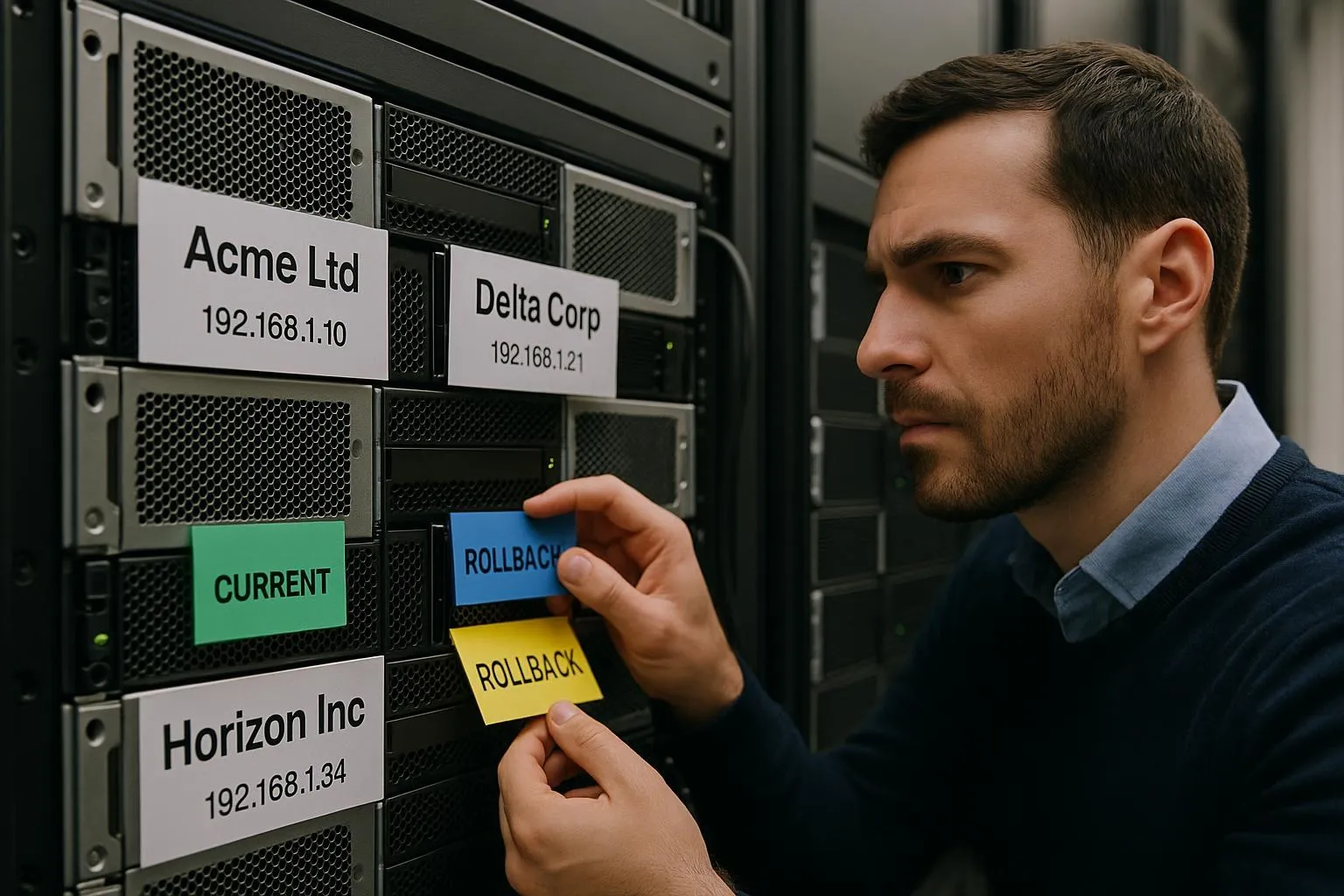 Operations and infrastructure
4 min
Parametric Hostnames and Rollback-Ready Deploys: Building Customer-Scoped Isolation in Helpifyr/JaddaHelpifyr
Today's engineering work delivers a step-function improvement for customer isolation and operational control by introducing fully parameterized hostnames, public URLs, and rollback-ready deployment images across the Helpifyr/JaddaHelpifyr stack. This technical shift unlocks safe, repeatable, and customer-specific deployments, allowing operators to deliver tailored environments without image tag collisions or hardcoded host values. The result is a deployment model where isolation is guaranteed by contract, not just configuration hygiene.
Read