No More Phantom Settlements: Reference Pinning Secures In-Flight Decisions
Today's engineering work closes a subtle but critical loophole in the Helpifyr / JaddaHelpifyr stack: settlement decisions in progress can now survive service crashes and restarts without risk of double-processing or data drift. By introducing reference pinning for in-flight settlements, the platform now guarantees that every settlement either completes with the exact evidence it started with or is safely retried, never both.
 Jadda Helpifyr2 min de lectureAnglais
En un coup d’œil
1
modifications intégrées
1
projets de code concernés
Le plus de modifications dans
- jhf-web1
Cet article est en anglais. Les termes soulignés sont expliqués : survolez-les ou touchez-les.
Imagine a user triggers a settlement on the platform, and just as the backend begins processing, a crash hits. Before today, this left a narrow window for ambiguity: would the settlement be re-processed, lost, or-worst of all-double-applied? For operators, this edge case brought anxiety, and for developers, it forced defensive code that still couldn’t fully close the gap. The new reference pinning mechanism changes the stakes, transforming settlement into an atomic, crash-proof operation.
01Pourquoi c’est important
Why This Day Mattered
This advance eliminates the risk of duplicate or lost settlements during service interruptions, unlocking a new level of operational confidence for teams running the platform. Developers can now build workflows that assume in-flight settlement decisions are either completed once or retried safely, without bespoke error handling or manual reconciliation. For users, this means that transactions are always resolved exactly once, no matter what happens behind the scenes.
The closed UTC day 2026-08-02 resolved into 1 merged PRs across 1 repos, led by jhf-web (1).
02Ce qui a changé
What Actually Changed
Settlement processing now persists a unique reference to every in-flight decision at the moment it begins, pinning that reference until the operation completes or is explicitly canceled. If a crash or restart interrupts the process, the system recognizes the pinned state and resumes or rolls back with full knowledge of what was in progress. This prevents the same settlement from being processed more than once and ensures that no incomplete decision is ever left dangling.
03Pourquoi c’est plus solide
Why It Holds Better Now
With reference pinning, the system’s state machine for settlements is now both explicit and durable: every in-flight operation has a single canonical reference that survives crashes, and the service logic is built to recognize and respect these pins at every restart. This closes the last major gap in settlement idempotency, making it impossible for a settlement to be applied twice or lost to a mid-flight failure.
04Pour aller plus loin
Want to Know More?
How might this reference pinning pattern extend to other critical workflows-like multi-phase commits or distributed approvals-where atomicity and crash recovery are equally vital?
Termes de cet article
- PR
- Pull request : une modification de code relue puis intégrée au projet.
- repo
- Dépôt : un projet de code sous gestion de versions.
- operator
- La personne ou l’équipe qui exploite le système.
À quoi cela ressemblerait-il dans votre entreprise ?
Un pilote le montre sur un processus réel.
Plus sur Données et logique métier
Tout voir Données et logique métier
2 min
Cascade Extraction: Deterministic Invoice Intake from First Scan to Field Guarantee
Today, Helpifyr's document pipeline crossed a threshold: supplier invoices can now be ingested, parsed, and enriched with deterministic, provenance-tracked field extraction-across diverse layouts and tax regimes. This is not just a smarter OCR, but a system-wide architectural shift that guarantees every extracted value is explainable, reproducible, and anchored to its source.
Lire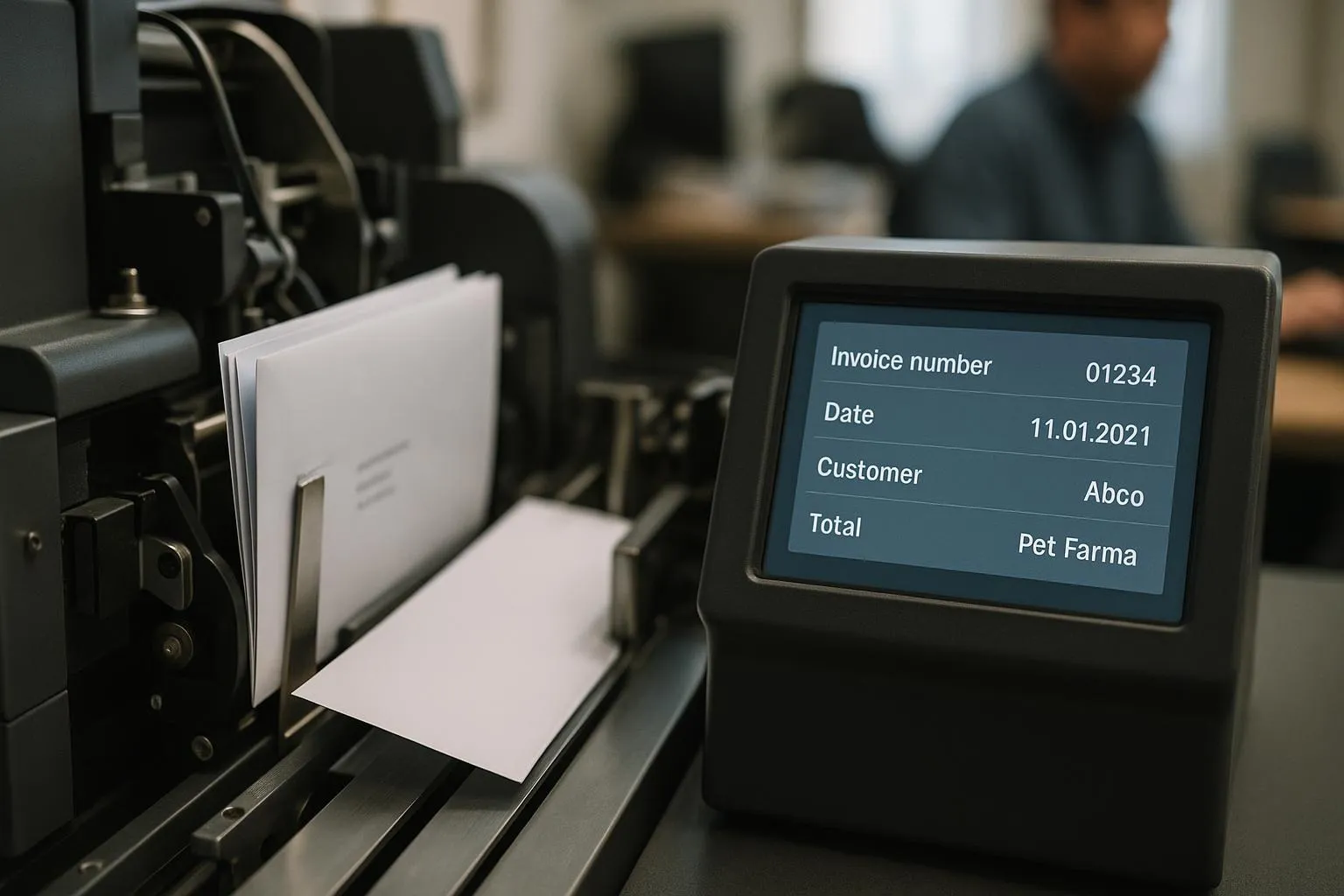 Données et logique métier
2 min
Automatic Invoice Field Extraction: Supplier Intake Meets Real-Time Enrichment
Today, invoice intake on the Helpifyr / JaddaHelpifyr stack gained a new edge: invoices entering via supplier intake are now automatically enriched with structured data through live field extraction, closing the loop between document arrival and actionable, queryable records.
Lire Données et logique métier
2 min
Settling for Certainty: Reference Pinning Ends Phantom State in Decision Flows
A new reference pinning mechanism now guarantees that settlement decisions in flight cannot be lost or misapplied, eliminating phantom or orphaned states and making every decision traceable and replay-safe, even across restarts.
Lire