Tightening Governance Without Slowing Down
Contract alignment across the stack, self-correcting project state, and a login icon fix - governance improvements don't have to be heavy.
 Jadda Helpifyr2 min read
Underlined terms are explained: just hover or tap.
Tightening Governance Without Slowing Down
Today’s work had a clear theme: making the systems that govern our stack more consistent, more self-correcting, and less error-prone - without adding bureaucracy or slowing development.
01
Contract Alignment Across the Stack
Our infrastructure stack is built from multiple specialized systems. Each one has contracts - agreements about how it interacts with the others. Today, we aligned those contracts across five stack modules.
What does that mean in practice? It means that when one system says “this task is complete,” the other systems understand the same definition of “complete.” It means that monitoring, logging, and identity systems all report the same truth about what’s running and what state it’s in.
This kind of work is invisible to end users. But it’s the difference between a system that works because someone manually keeps it aligned and a system that works because all its parts speak the same language.
02
Self-Correcting Project State
The project management system can now self-correct when its internal state drifts from the canonical truth. Previously, if state drifted - say, a task marked complete that shouldn’t have been - a human had to notice and fix it. Now the system can detect the drift and repair itself.
This is a meaningful step toward autonomous operations: the infrastructure not only reports its state, but actively maintains it.
03
A Small Fix With Visible Impact
The identity system received a small but user-visible fix: the login icon for one of our authentication providers (Frappe OIDC) was rendering inconsistently. A configuration alignment resolved the rendering issue, improving the login experience.
04
What This Pattern Means
None of today’s work was flashy. No new features, no major launches. But alignment contracts, self-correction, and icon fixes share a common thread: making the stack more consistent without adding drag.
The best governance is the kind you barely notice - because the system handles the alignment itself.
05For readers
For Readers
When we say “governance,” we don’t mean more rules. We mean clearer contracts, automatic corrections, and consistent behavior. The kind of work that lets the stack run itself better - while you focus on what matters.
Terms in this post
- drift
- Target and actual state silently moving apart.
What would this look like in your company?
A pilot shows it with a real process.
More on Operations and infrastructure
See all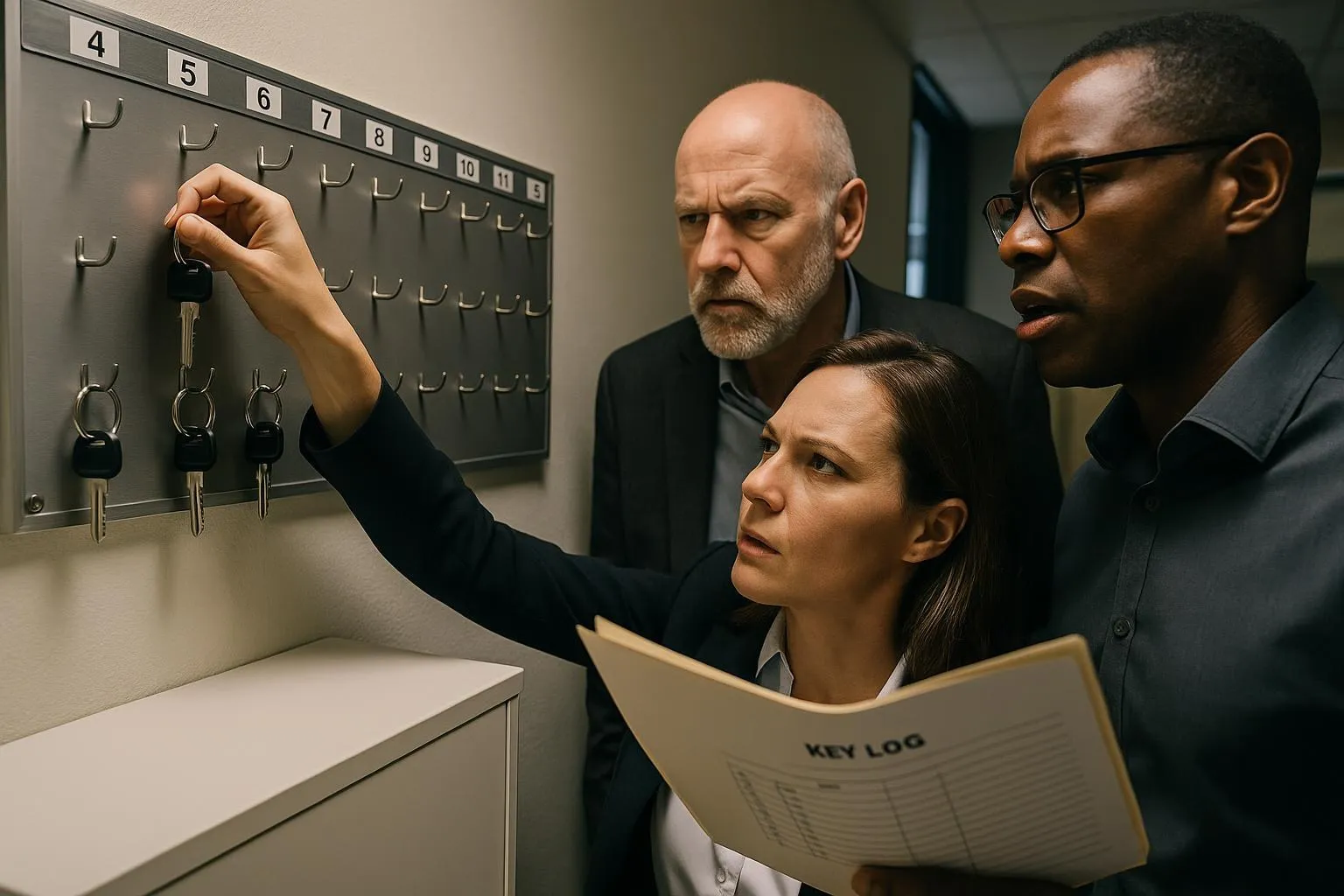 Operations and infrastructure
4 min
Active-Only Assignment Counting: Eliminating Stale Access Shadows in UC-Readback
Today, the Helpifyr / JaddaHelpifyr stack closes a subtle but critical gap in how assignment counts are computed in Universal Connection (UC) readbacks. By shifting to active-only assignment evaluation, the platform now guarantees that access and entitlement signals reflect the real, live state of user permissions, not a ghosted sum of historical grants. This change tightens downstream contract enforcement and unlocks safer automation for both operators and integrators.
Read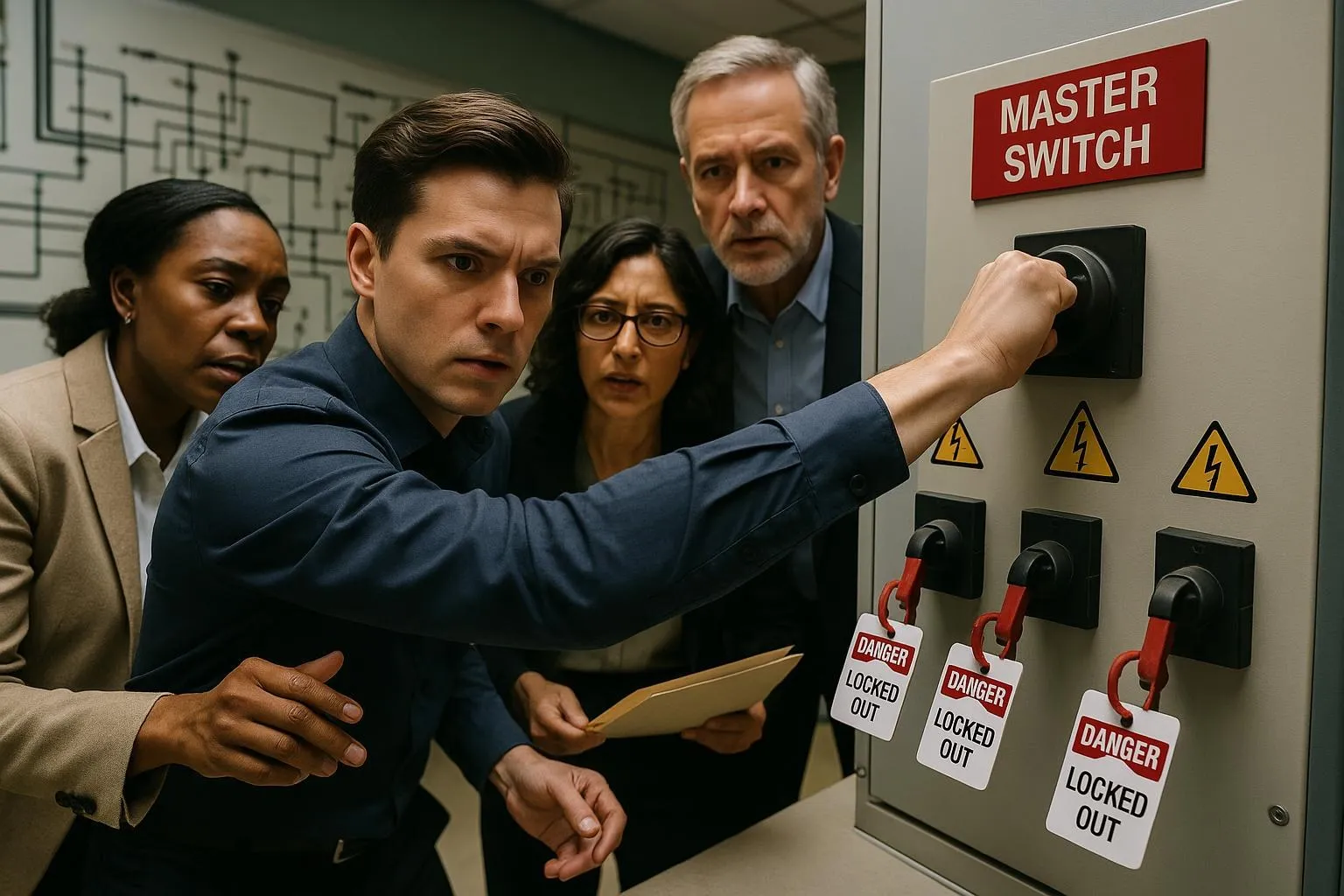 Operations and infrastructure
4 min
Converging Automation Authority: The Ops-Automation-n8n Realignment and Its Guarantees
Today marks the completion of a deep realignment in the Helpifyr/JaddaHelpifyr automation stack: the transition from the legacy n8n-expert identity to the unified ops-automation-n8n authority. This is not a simple rename, but the culmination of a multi-week migration that rewires provenance, ownership, and runtime contracts for all automation flows. The result is a single, auditable source of truth for automation provenance and deployment, eliminating legacy ambiguity and unlocking new guarantees for operators and integrators.
Read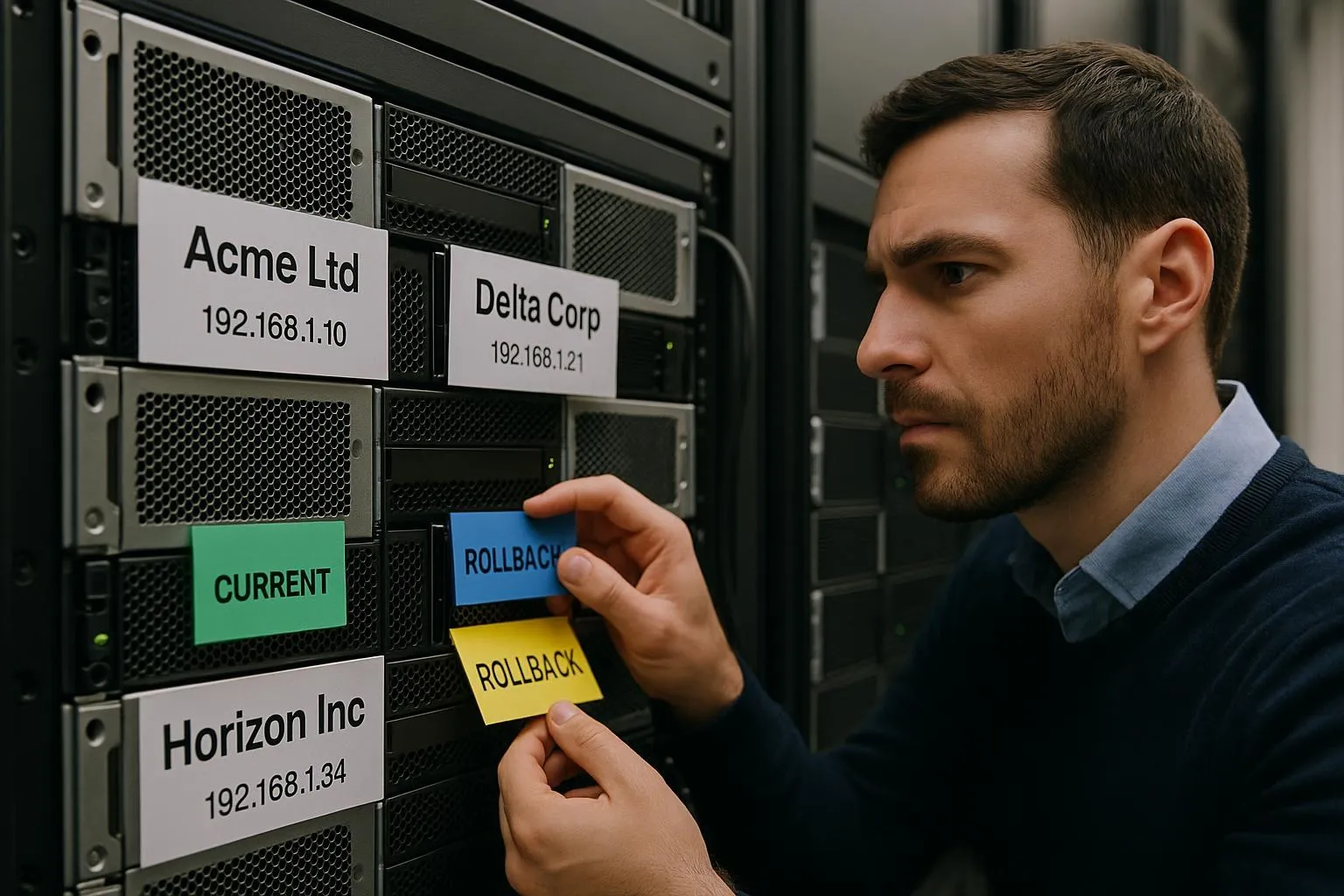 Operations and infrastructure
4 min
Parametric Hostnames and Rollback-Ready Deploys: Building Customer-Scoped Isolation in Helpifyr/JaddaHelpifyr
Today's engineering work delivers a step-function improvement for customer isolation and operational control by introducing fully parameterized hostnames, public URLs, and rollback-ready deployment images across the Helpifyr/JaddaHelpifyr stack. This technical shift unlocks safe, repeatable, and customer-specific deployments, allowing operators to deliver tailored environments without image tag collisions or hardcoded host values. The result is a deployment model where isolation is guaranteed by contract, not just configuration hygiene.
Read